

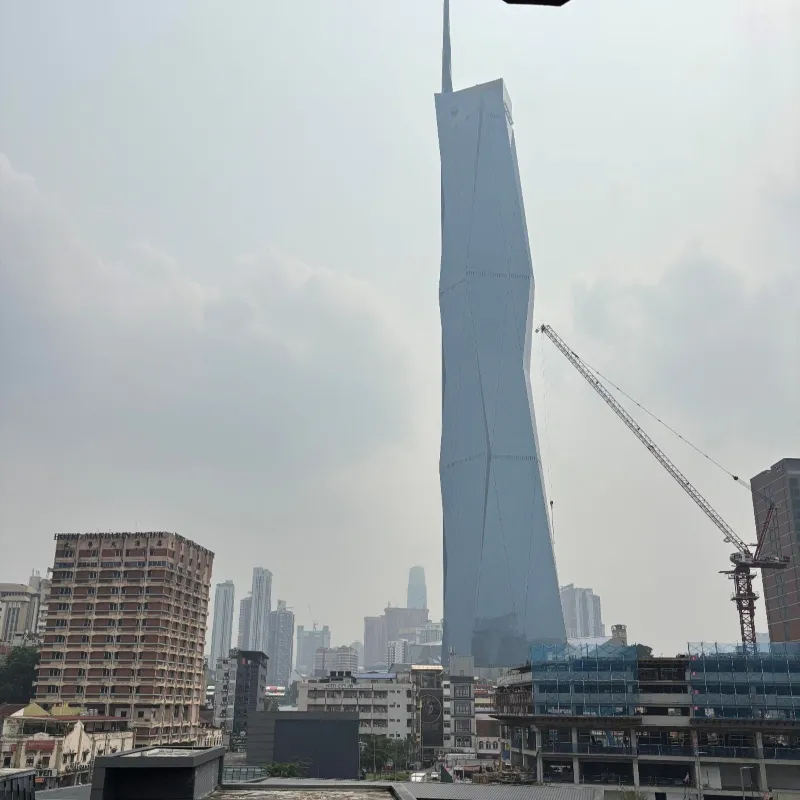
The haze in Malaysia and parts of the Asean region is at its worst in more than a decade. The latest episode has lasted more than 80 days, with no sign of clearing soon.
Several Asean countries – including Malaysia, Singapore and Indonesia – are battling the crisis. Many people are seeing for the first time how serious it is.
Regional leaders have called for serious focus on the crisis. They want member states to join forces against the annual fires ravaging forests and peatlands in Kalimantan and Sumatra.
Japan has already provided assistance, deploying helicopters and personnel to support firefighting operations in Kalimantan. Asean should build on such support through a more durable regional arrangement.
Prime Minister Anwar Ibrahim has spoken strongly about the worrying situation. The haze has hurt people’s health and daily lives, and schools have closed in several states. The public has been told to stay indoors and follow health advisories.
Many have taken the crisis lightly in the past because the haze is not always visible at street level. The thick, cloudy film is frighteningly clear only from the upper floors of tall buildings.
Many people are not wearing masks and are walking about as if nothing is wrong. Most worrying, some are taking young children with them. It is hard to understand such a lack of care.
- Sign up for Aliran's free daily email updates or weekly newsletters or both
- Make a one-off donation to Persatuan Aliran Kesedaran Negara (ALIRAN), Maybank a/c 507246118995 or CIMB a/c 8004240948
- Make a regular pledge or periodic auto-donation to Aliran
- Become an Aliran member
In many places in Kuala Lumpur, I have seen parents taking their children out without masks. Many other people go without them too.
A casual check shows an alarming number of people ignoring the risk. At open-air elevated light rail stations such as Pasar Seni, hardly anyone waiting for a train wears a mask.
Schools in several states closed during critical days, and the message is beginning to sink in. It is time for regular TV and radio announcements of Air Pollutant Index (API) readings, several times a day.
Advisory warnings should also be flashed on TV, urging people to stay indoors.
Many remain lackadaisical about masks, even when told the air is badly polluted. Even some who wear masks have reported an uncomfortable feeling in their throats.
If possible, people should also wear glasses. Tiny particles cannot be seen with the naked eye, but they can irritate the eyes. The situation is severe and at the highest regional alert level.
Fires behind the smoke
It has been widely reported that months of forest and peatland fires are driving the crisis. Toxic smoke has blanketed parts of Indonesia, Malaysia, Singapore, Brunei and the Philippines.
More than a dozen areas in Malaysia have recorded unhealthy Air Pollutant Index readings. Respiratory cases have spiked, schools have closed, and outdoor activities and events have been cancelled.
The root causes are generally recognised as unusual weather, below-normal rainfall and land-clearing fires, including slash-and-burn clearing.
Time for joint action
Everyone – observers, commentators and national governments alike – must now join forces to call for stronger action, fight the fires and prevent future outbreaks.
It is time for strong national and regional action. The culprits behind land-clearing fires must be brought to book.
The prime minister is monitoring the situation personally.
Malaysia has offered to help Indonesia tackle the fires behind the transboundary haze. It has also proposed a cooperative mechanism at Asean level to strengthen joint action.
Indonesia has deployed thousands of personnel and aerial assets to contain the fires.
Commentators say the disaster is a complex challenge, given the vast areas affected and unpredictable weather.
The transboundary challenge needs shared commitment and joint responsibility. The proposed collective action deserves support.
Now is the time to show the Asean spirit of solidarity and candour. This annual disaster is traumatising people in Indonesia, Malaysia and Singapore, and it must be brought under control.
The views expressed in Aliran's media statements and the NGO statements we have endorsed reflect Aliran's official stand. Views and opinions expressed in other pieces published here do not necessarily reflect Aliran's official position.
- Tegakkan maruah serta kualiti kehidupan rakyat
- Galakkan pembangunan saksama, lestari serta tangani krisis alam sekitar
- Raikan kerencaman dan keterangkuman
- Selamatkan demokrasi dan angkatkan keluhuran undang-undang
- Lawan rasuah dan kronisme
